Brazil: The Downside of Being the Easy One
Por Gabriela Borges · Qua, 1 de julho · 4 min de leitura
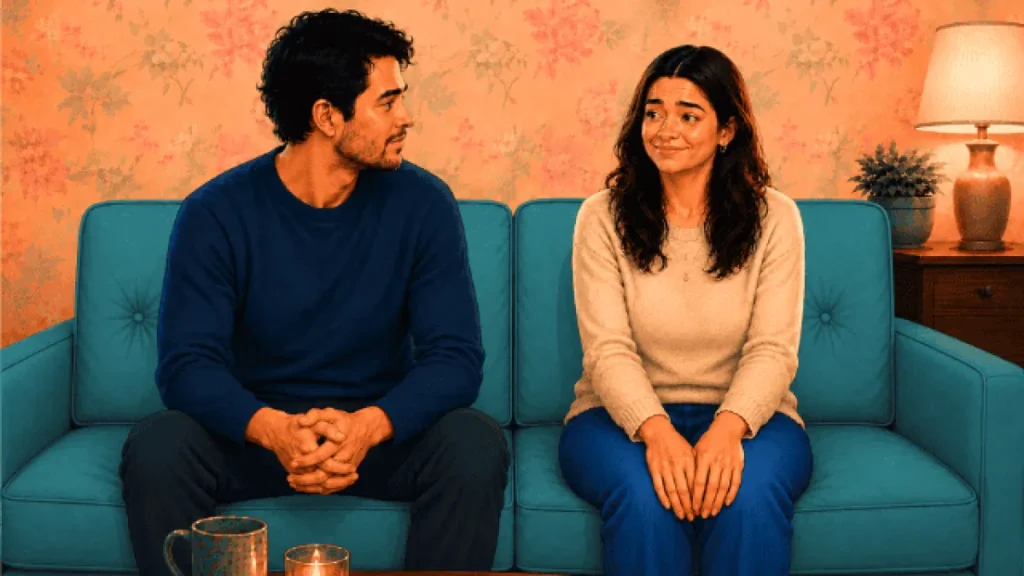
In a recent therapy session, a woman recounted how her partner changed their dinner plans at the last minute. He had suggested going out, she dressed up, and when she arrived at his place, he was tired and wanted to stay in and eat a defrosted meal. She told him, “I don’t mind—happy to do whatever you want.” She meant it at the time. But later, describing the event to her therapist, she found herself defending her partner and her own reaction. As a therapist herself, she recognized that defensiveness signaled a problem. The truth was, she did not want a defrosted meal that night.
She described a lifelong pattern of being the “easy one” in relationships. For years, she saw her flexibility and sensitivity as virtues. These traits made her a good therapist. But beneath them were deep patterns of self-abandonment. She had been so accommodating for so long that it no longer felt like a choice. It felt like her personality. This pattern is known as fawning. It does not feel like trauma. It feels like being thoughtful, accommodating, and emotionally intelligent. People praise you for it. You become the easy, loving person who keeps everything harmonious.
The problem is that this pattern comes at a cost. The body and relationships eventually carry the weight of everything the personality has learned to suppress. Larger expressions of fawning become easier to spot over time. But the subtle ones become part of a person’s identity. The woman noted how she would automatically say, “I don’t mind, you choose,” and truly believe it. She commended herself for being flexible.
Fawning, she explained, is driven by a fear of disconnection. In intimate relationships, rupture can feel like genuine terror. The fear is that if she is too much, not enough, or inconveniently herself, her partner will leave. So she reads the other person’s mood and adjusts herself. From the outside, this looks like consent. But the body is always saying no. Her sense of safety lives outside her own body, in the other person’s state. She becomes a master at reading that state before a word is spoken.
The constant question beneath her actions is: “Who do I need to be so that I can keep this safe?” Over time, she stops hearing the question and just becomes who she needs to be. To bring all that attention to the other person, she has to leave herself. She overrides her own feelings and instincts. This happens so automatically that it no longer registers as a choice. It just feels like who she is.
The pattern is not something to demonize, she said. It is an intelligent safety strategy. The nervous system finds a path to safety through connection when fighting, leaving, or shutting down does not feel possible. The issue is when the response becomes so chronic that a person loses contact with who they are beneath it. The cost of this disconnection often appears in the body. A person cannot unconsciously fawn and stay connected to their own physiology. Resentment builds in the background. Relationships may feel close but lack real intimacy. People feel unseen, unheard, and unvalued. Over decades, the body may start screaming with symptoms that cannot be ignored.
Underneath all the accommodation, a part of the person is always waiting. The hope is that if they do enough, give enough, and are good enough, the other person will finally see them and reciprocate. That hope keeps the pattern alive. For a fawner, hope keeps them waiting for something to change. When connection wavers or breaks, they can feel suddenly adrift. The mind gets busy, reaching for anything to restore a sense of control. It may go to fixing, to fantasies of a different life, or to fault-finding. But all of this is a cognitive loop that keeps a person stressed and distant from themselves.
What is actually needed, she concluded, is to feel the groundlessness itself. The unsteady ground is the passage to inner stability. To feel the loss of connection, the emptiness and aloneness, and discover that it can be survived. That something inside holds strong, even when the external anchor is gone. Only from that place does anything real become possible.