Brazil Reveals 7 Key Anxiety Lessons
Por Gabriela Borges · Qua, 15 de abril · 3 min de leitura
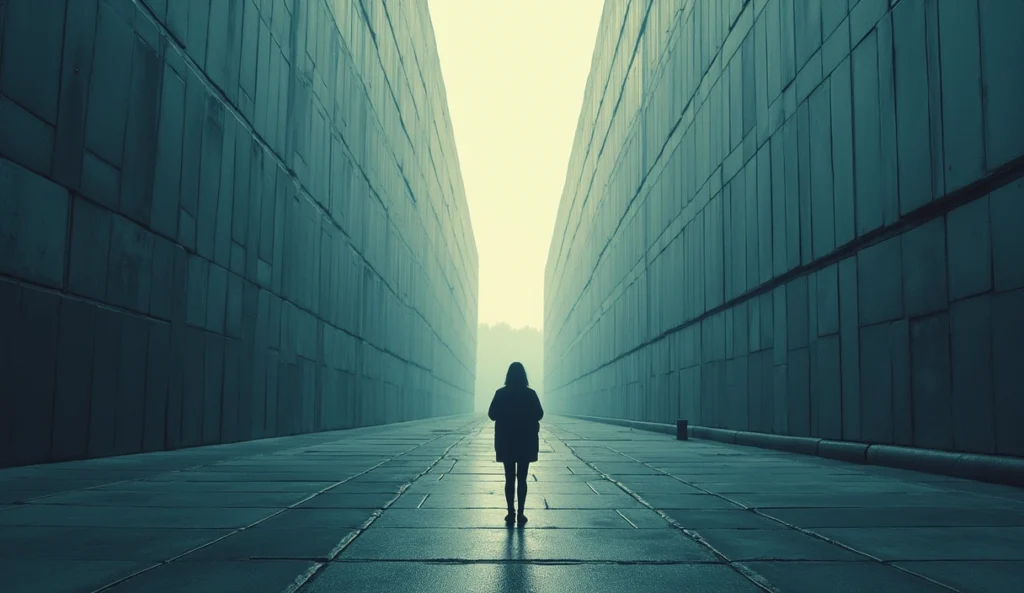
The author begins with a quote from Soren Kierkegaard: “Anxiety is the dizziness of freedom.” He clarifies that this is not about positive thinking or what is often called “toxic positivity.” Instead, it details his lifelong experience with anxiety and what he has learned from it, even though he would prefer to have less anxiety.
He describes a childhood incident in the 1980s that sparked his anxiety. While playing unsupervised tackle football, another child’s pants were pulled down during a touchdown, exposing him. Though others laughed, the author became deeply fearful it might happen to him. He started tying his pants tightly with a string, causing stomach pain, and felt sick before activities like football and school.
At that time, mental health was not discussed openly, so his anxiety went unrecognized. He was seen as the kid who threw up before school. His anxiety has become more noticeable in recent years, possibly worsening after having COVID in 2020 and 2021. This has led him to confront it with more mindfulness.
Anxiety has taught him to be present
During spikes of high anxiety, he is forced into the current moment. He cannot read, write, or enjoy movies or games. This intense presence allows him to observe the physical sensations and see how his mind creates the emotion of anxiety, which reduces his suffering.
Anxiety has taught him about control
He learns to distinguish between what he can and cannot control. While he cannot control the sources of anxiety, he can control his response. This shifts his focus to something larger than himself, similar to a higher power, helping him manage his need for control.
Anxiety teaches him to have good habits and boundaries
When feeling well, his habits and boundaries often slip, leading to poor diet, lack of exercise, and allowing toxic people into his life. Anxiety spikes remind him of the consequences, prompting him to reinforce healthy limits and “clean house.”
Anxiety reminds him how important growth is
After addressing unhealthiness, he seeks new projects and positive changes. For instance, he let his counseling license go inactive to focus on life coaching, which is less stressful. Changes in diet and exercise due to anxiety have resulted in lasting good habits.
Anxiety taught him to be gentle
Feeling fragile during anxiety helps him understand how others might perceive his bluntness. Since around 2018, he has worked on being gentler, and anxiety has made him more careful and compassionate in his interactions.
Anxiety taught him to slow down and ask for help
He learned that anxiety spikes are not the time for major decisions. Instead, he slows down, makes intentional choices, and discusses issues with others, recognizing that asking for help is valuable.
Anxiety helps him speed up
He notes that anxiety can also prompt action, referencing a quote from Joan Baez: “Action is the antidote to anxiety.” This means tackling tasks that cause anxiety, such as phone calls, to avoid procrastination and move forward.
The author emphasizes that while anxiety has taught him these lessons, it remains an unpleasant experience. He does not endorse anxiety but acknowledges the insights gained from managing it over time.