Brazil chooses calm over anger in tense moment
Por Gabriela Borges · Sex, 8 de maio · 3 min de leitura
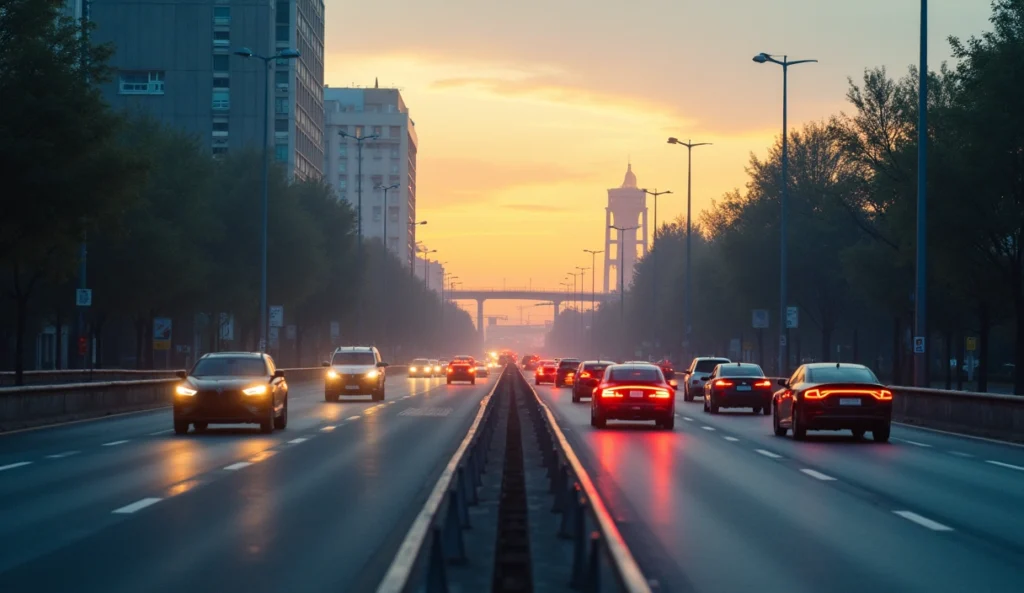
A few months ago, a driver was on a crowded highway with his wife and son. Traffic was barely moving. Vehicles were inching forward, one small gap at a time, with impatience in the air.
Then, there was a loud bang. It sounded like something had burst. For a second, the driver did not understand what happened. He then realized a motorcyclist trying to squeeze through the narrow space between cars had hit his vehicle. The motorcycle’s side bar had struck the driver’s car.
The driver felt a surge of anger. His first thought was to get out of the car and confront the motorcyclist. He was ready to shout and blame the rider for the accident. But he paused. He remembered a quote from Viktor Frankl: “Between stimulus and response there is a space. In that space is our power to choose our response.”
Instead of reacting immediately, the driver took a breath. He looked at his wife and son. They were safe. He then looked at the motorcyclist, who appeared shaken and scared. The driver made a choice. He decided not to react in anger.
He got out of the car and asked the motorcyclist if he was okay. The rider nodded, still trembling. The driver checked the damage. There was a scratch on his car, but nothing serious. He told the motorcyclist it was fine and that he should be more careful next time. The rider thanked him and rode away.
The driver got back in his car. His wife smiled at him. His son asked why he did not yell. The driver explained that getting angry would not fix anything. It would only make everyone feel worse. He chose to respond with calmness instead of anger.
That moment stayed with the driver. He realized that the space between a trigger and a reaction is a powerful place. In that space, a person can decide what kind of person they want to be. Choosing not to react in anger can change the outcome of a situation. It can turn a potential conflict into a moment of understanding.
The driver learned that anger is a natural emotion, but it does not have to control actions. By pausing and thinking, he was able to handle the situation in a way that kept everyone safe and calm. He now tries to apply that lesson in other parts of his life, whether at work, at home, or on the road.
This story shows that small choices can have a big impact. Choosing not to react in anger can prevent arguments, reduce stress, and build better relationships. It is a simple idea, but it takes practice. The driver continues to work on finding that space between stimulus and response, and he encourages others to do the same.